
Louis Hofmann
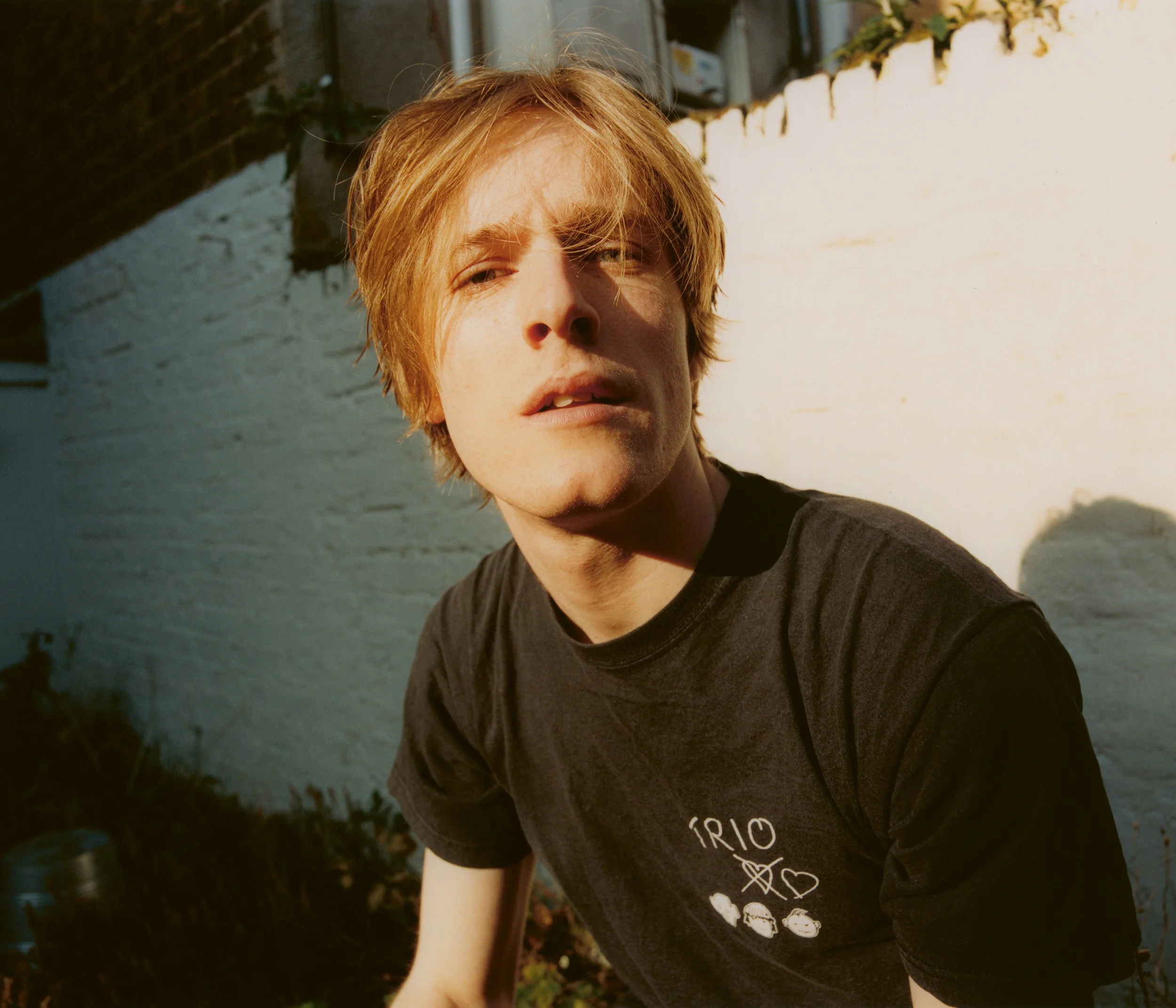
A yellow raincoat. This is probably how we will remember the iconic character Jonas of the acclaimed Netflix series “Dark”. For Louis Hofmann, the talented actor behind the character, it has probably only been a spark in a promising future career. We talked to the German native about his environmental goals, why he cries in Adam Sandler movies and how we will be consuming visual content in the future.
Stefan Dotter: How long are you in England for?
Louis Hofmann: Iʼm currently staying for six weeks, but Iʼve already been here for five and a half so Iʼm only here for a couple more days before heading back to Germany for rehearsals for my next film.
SD: Really, or did they kick you out because of the Brexit?
LH: No they didnʼt (laughs) – and luckily there are no real changes until December so I can get in and out without a problem. Iʼm not exactly sure what will change for Germans anyway, if there are new regulations or if it will be the same in terms of travelling. Itʼs gonna be really crappy for basically everyone leaving the UK – if you consider that someone who has a band for example and plays a tour around Europe will need to pay or be passport-controlled with their equipment every time they cross borders. It might not matter for a big band like Coldplay but small bands will have a lot of trouble with that.
SD: Actually Coldplay has suspended their tours until they can find a way to make them sustainable.
LH: I know and I think that is amazing!
SD: How are you with environmentalis, are you active?
LH: I wish I was more active to be honest, because I have a platform on Instagram which I could use a bit more – Iʼm just always quite scared when it comes to posting because I know that so many people then talk about it and judge me for what I have posted. I donʼt have an issue with taking a political side on an I think fairly easy topic to take sides on when it comes to the environment. But then again itʼs this general thing of posting something and I know 400.000 people will look at it or make up their mind about it – have an opinion and voice it. Itʼs just something that scares me, so that is holding me back a bit but Iʼm trying a bit more.
SD: Understood. But isnʼt it the same with doing a movie or starring in a TV series, you put it out there and everyone is going to judge you? Even more people than just your followers as a matter of fact.
LH: Of course. But thatʼs my job. Thatʼs what I love to do, thatʼs what Iʼve chosen to do. I have not chosen to be someone who is followed by 400.000 people on Instagram, that sort of just happened.
SD: Itʼs a side effect.
LH: It is and I am grateful for it but it also scares me (laughs).
SD: That makes sense. But do you even realise how famous you are? I remember I walked into someoneʼs house in Korea last year and they were watching “Dark” that very moment, all fans of yours.
LH: I donʼt think I get it. No I donʼt quite get it. When I talk to casting directors about my value on the English language market they will eventually tell me that itʼs not as profound as they want it to be to play a main role in an English language feature film. You have to separate between being known from something and being so known for quality that you have international value – having sort of a critical acclaim and value in different countries. I donʼt think Iʼm there yet and would only consider myself famous, which is already weird to discuss and acknowledge out loud. For now, to be fair, Iʼm just the guy from “Dark”.
SD: It did reach a bit of an iconic status though, also your character. Everyone is going to remember you for that yellow raincoat.
LH: I hope they wonʼt only remember me for only that (laughs).
SD: Do you wear a yellow raincoat in private?
LH: No, there is no opportunity for me anymore to wear a yellow raincoat. Itʼs not possible. But letʼs get back once more to environmentalism. One thing is stating your opinion on social media but the other thing is when it comes to acting myself, to change my daily life to help the environment. I would say Iʼm quite conscious about it and avoid flying and consuming local produce. Focus on quality and try to not waste products.
SD: Who is inspiring you?
LH: Leonardo DiCaprio for example. But I donʼt know if he necessarily acts himself that way but he does something about speaking out about it – using his figure and position as an activist to talk about it. I quite like that.
SD: He is doing one thing I could personally not do however. Speaking out for something and then doing the opposite in his private life.
LH: And that judgement is what Iʼm afraid of. Iʼm afraid of getting perceived as a hypocrite. But then again being perceived as that in terms of climate change doesnʼt really help because it needs to be spoken about and maybe you do not do as much as you talk about it. But at least you raise awareness and take even just a small part.
SD: I absolutely agree. I think we need to re-think that whole concept of hypocrisy in this thing because if he reaches a couple of million people and they are changing something about it – even if he is doing the opposite – he is still doing a lot of good with it. Even though he is a hypocrite I think we need to re-define what it means – at the end of the day we will all be hypocrites because no one is really going to be able to live completely sustainably, we canʼt think in those absolute terms too much. Everyone needs to start with one thing – picking their battles. Focus on plastic for example, we may get better at disposing of it while still being bad in terms of traveling for example, but that is okay, we can only do one thing at a time.
LH: Donʼt you think itʼs crazy that in relation to something like the coronavirus pandemic, pressing and tangible as it affects us now – everybody is afraid, everyone acts, the government acts and everyone is doing their part. Then there is climate change which is more intangible because itʼs still far away and people donʼt really care about it – I think this is a problem. Why only act about something that only affects yourself? Itʼs quite selfish and stands for a lot more than only this.
SD: Thatʼs it. We went really deep pretty quick didnʼt we? The most pressing question however is – how often do you cry watching movies?
LH: I do like to cry when I watch films, because I think Iʼm quite empathetic so I can relate to the characters a lot. I donʼt often do it but I really do not mind – it means Iʼm involved in the story. I like crying in movies. Therefore I know it has touched me somehow.
SD: I have a weird relationship to crying in movies, I like doing it but there is a certain place where I cry much more easily – on planes. Itʼs quite strange actually but I get very emotional when Iʼm up in the air.
LH: Thatʼs good, I guess? Have you seen the film “Click”? Itʼs not the greatest film out there, itʼs with Adam Sandler. But there is a scene in the end where he (spoiler alert) dies. There is a remote with which he can forward his life and he fasts forward to the moment when he dies. Itʼs very dramatic, tragic – almost pathetic and still I started crying because I imagined that happening to me and felt so sad (laughs).
SD: This is going to be the headline: Louis Hofmann, the guy who cries at Adam Sandler movies.
LH: I can imagine you being the guy who would make a headline like this.
SD: Have you ever died in a movie?
LH: Yes, Iʼve died in “Alone in Berlin” and also in “Prélude”, where my character hangs himself in the end.
SD: How was that for you?
LH: I was not very attached to myself at that moment. I mean eventually it gets cut out. So the moment I actually die they cut off and it turns black. I still enacted the scenes but it was weird, it was more of a physical thing than an emotional one when I acted it. Itʼs just sometimes with very physical scenes – the dynamic approach and action can be so mentally and intellectually exhausting that there is not much room left for emotional attachment. It didnʼt feel I was dying myself. It did hurt though, I had the rope around my neck.
SD: Good one. Do you believe in fairytales?
LH: No I donʼt. But I do like “Bojack Horseman” though because it seems so dumb first but turns so philosophical.
SD: In general, what is happiness to you?
LH: I donʼt know what it means to me but I know when I feel happy – thatʼs when Iʼm grounded, when Iʼm self-assured and when I feel like Iʼm really being myself. When I reach that state I feel happiness. Sharing that happiness with someone is whatʼs most important. Happiness is truly being yourself.
SD: Very profound answer. How is your work-life balance, are you always working?
LH: I think itʼs quite okay. The only thing I kind of need to improve is that – when I work I work 100% and I tend to think about the year in little phases. I work then Iʼm free, then I work then Iʼm free. And I always only take really care of myself in the times when I have spare time. When I work my health and my hobbies – I just do not look at that. Itʼs all about the work. I want to get somewhere where I can balance those things better.
SD: One thing I really wanted to touch base with you on was the future of movies. We are talking about technology, virtual reality, 3D. Would you like to do some work in 3D?
LH: I would only like to do something in 3D if the new technology elevates the film to another level and makes sense story-wise. Iʼm not a fan of it only if it looks good. If it helps the story to evolve into something bigger then itʼs okay. Iʼm an admirer of that old cinema look, of that really organic taste of a film. I donʼt know if I would like to act in a VR film. What I donʼt like about new technologies is that the acting itself and the characters and craft are kind-of left behind. In the foreground itʼs only the technique, the focus is too much on the visual aspects rather than the screencraft.
SD: I totally understand what youʼre saying – but if you think about it this way now – people probably said the same thing about colour films in times of black/white films because colours took away the attention from the acting. I think itʼs about what we are used to. If we say in a couple of years itʼs normal to consume everything in 3D and VR, do we still think about that?
LH: I mean it surely is incredible what they have achieved and still continue to achieve with 3D and VR. Remarkable how they portray an illusion and tell a story in such a unique and involving way. Iʼm just always afraid that if you want to tell a character based story with that technique, the characters and the acting will be left behind due to the sheer amount of attention the technical stuff needs from the cast and the team. But of course itʼs fascinating and intriguing. And since we sort of got used to seeing films in 3D, maybe thatʼs also gonna happen to VR.
SD: How do you think we will consume movies and series in 20 years or how does acting actually change? Looking at “Death Stranding”, a video game by Hideo Kojima that stars an impressive cast with Mads Mikkelsen, Léa Seydoux and Norman Reedus, to name but a few. They are in this game as actors through 3D scanning. Imagine this fast-forwarded 20 years.
LH: I really hope that traditional acting doesnʼt die. I donʼt know – in 30 years Iʼll probably think differently but right now I think you can not replace something natural with something computer-generated. If the technology evolves, maybe it will be possible.
SD: Anyway, how does it feel like to see yourself in a sex scene?
LH: (laughs) Iʼve always said I separate myself from the character when I watch my films. Itʼs the character who gets naked and has sex, itʼs not me. Itʼs just when you are around people who you know personally, it might get awkward, for example with my mom. You just have to evaluate if nudity and sex is necessary for the story and the character – if it is, itʼs not tough to watch.
SD: Itʼs a powerful meditation on how to detach yourself from something, isnʼt it?
LH: For sure, it doesnʼt always work though.
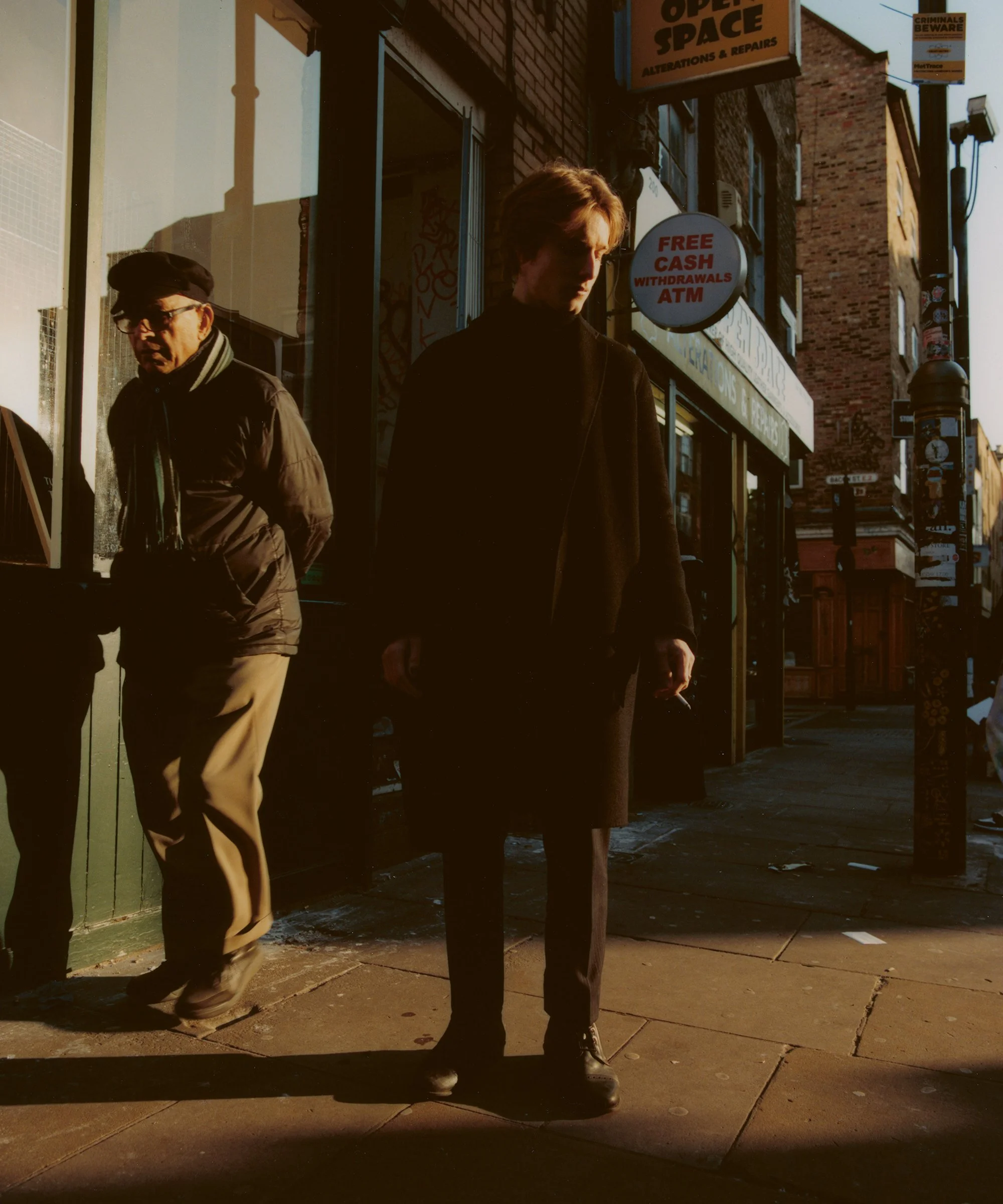
Photographs & Interview by
Stefan Dotter
Production
WHITELIES STUDIO